Plymouth, MA · Plymouth County
Antimicrobial Treatment Services in Plymouth, MABasement Mold Prevention Treatment & Emergency Sewage Sanitization
Antimicrobial Treatment Services in Plymouth cover post flood disinfection services, mold remediation antimicrobial treatment and bathroom mold treatment for wet homes.
Answered 24/7
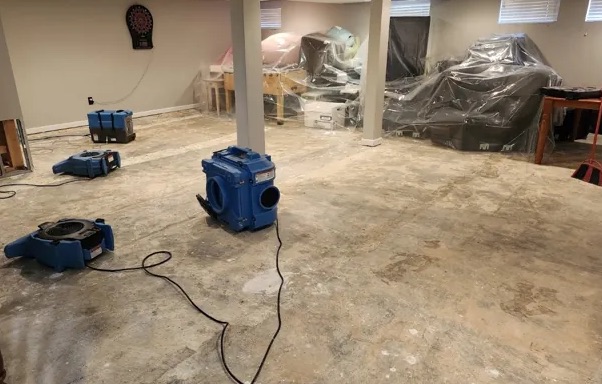
Antimicrobial Treatment Services Solutions in Plymouth, Massachusetts
After water damage in Plymouth, odor is often the sign that something was missed. A musty smell usually means wet materials are still hidden, and treatment alone will not fix that.
A sewage backup in Plymouth needs cleanup and disinfection before the room can be used again. Local water damage pros serve Plymouth and nearby Kingston, Duxbury and Marshfield, with emergency help for contaminated water.
Complete Antimicrobial Treatment Services Solutions in Plymouth
Basement Mold Prevention Treatment
Basements stay humid, so treatment is paired with dehumidification and fixing the leak or seepage that let the water in.
Emergency Sewage Sanitization
Areas touched by sewage are contained so contamination is not tracked into clean rooms, then cleaned and disinfected step by step.
Bathroom Mold Treatment
Damaged caulk and stained drywall near a shower are removed, the area is dried, and an antimicrobial is applied before new materials go in.
Post Flood Disinfection Services
Hard surfaces that sat in floodwater are washed first, because disinfectants work poorly on dirty surfaces, then treated and left to dry.
Mold Remediation Antimicrobial Treatment
Antimicrobial treatment is the last step after removal and drying, not a replacement for them. It treats wood and concrete that were wet but can be kept.
Indications That Require Antimicrobial Treatment Services
Recent Water Damage or Flooding
Any recent flood, sewage backup or long-running leak is a reason to have surfaces checked and cleaned before rebuilding.
Peeling Paint or Warped Drywall
Bubbling paint, soft drywall or warped trim show water got into the material, which may need removal before treatment.
Stains Found During Repairs
Dark or damp framing found when opening a wall or floor is a common reason to dry and treat before closing it up.
Wet Materials Left for Days
Drywall, carpet or framing that stayed wet for more than a couple of days is a likely place for microbial growth.
How Antimicrobial Treatment Services Work in Plymouth
Step 1: Source Identification
The leak, flood or backup that caused the damage is traced and stopped before any treatment begins.
Step 2: Source Removal and Decontamination
Contaminated water and soaked porous materials such as carpet pad and drywall are removed with protective gear.
Step 3: Air and Surface Disinfection
Hard surfaces are washed and then disinfected, and air scrubbers filter dust from the room while work continues.
Step 4: Drying Validation and Odor Control
Moisture readings confirm the materials are dry, and any lingering odors are addressed with extra cleaning or deodorizing.
What Leads to Post Water Damage Cleaning in Plymouth
Inadequate Drying After Water Damage
Water damage that was mopped up but never fully dried leaves moisture inside walls and under floors.
Poorly Maintained HVAC Systems
A clogged condensate drain or dirty coil can keep the air handler and nearby ductwork wet.
Storm Flooding and Natural Disasters
Floodwater carries soil and contaminants into walls, floors and anything it reaches.
Foundation Cracks and Groundwater
Groundwater seeping through foundation cracks keeps lower walls and slabs wet over long periods.
Antimicrobial Treatment Services for Homes and Businesses in Plymouth
Residential Antimicrobial Treatment Services
In houses, the crawl space and the cabinets under sinks are common hidden spots. They are dried and treated even if the rooms above look fine after a leak.
Commercial Antimicrobial Treatment Services
In larger buildings, ductwork and ceiling cavities can spread odor from one wet area to many rooms. Those spaces are checked and treated as part of the job.
Antimicrobial Treatment Services vs. DIY: When to Call the Pros
Spraying a product on a damp, dirty surface rarely works. The surface must be cleaned and dry first, which is why professional treatment comes after drying, not before it.
Pricing Considerations for Antimicrobial Treatment Services in Plymouth
Pricing for antimicrobial treatment services in Plymouth is set after an inspection. The pros check moisture, look at the damage and explain what will be treated before starting.
Affected Square Footage
Larger treated areas need more product, more cleaning time and more labor.
Access and Containment
Crawl spaces, attics and ductwork take longer to reach and may need containment.
Post-Cleaning Requirements
Materials that must be removed and replaced before treatment add to the total.
Does Insurance Cover Antimicrobial Treatment Services?
Insurers often ask how long materials were wet. Records showing when the leak started, when it was found and when drying finished help answer that question clearly.
Benefits of Local Pros for Antimicrobial Treatment Services in Plymouth
Use of EPA-Registered Agents
Products are EPA-registered and applied according to their label directions, including re-entry times.
24/7 Emergency Response
Help is available day or night for sewage backups and other contaminated water.
Industry Cleaning Standards
Cleaning and treatment follow industry water damage standards, applied only after the area is dry.
Emergency Antimicrobial Treatment in Plymouth
Water damage that is starting to smell needs attention soon. Call (508) 978-2876 to schedule antimicrobial treatment services in Plymouth after the area is checked and dried.
Call Now (508) 978-2876Antimicrobial Treatment Services for Plymouth and Nearby Areas
Help with antimicrobial treatment services reaches Kingston, Duxbury and Marshfield, plus other communities around Plymouth, for houses, apartments and commercial buildings.
- Antimicrobial Treatment Services in Kingston
- Antimicrobial Treatment Services in Duxbury
- Antimicrobial Treatment Services in Marshfield
- Antimicrobial Treatment Services in Pembroke
- Antimicrobial Treatment Services in Hanover
- Antimicrobial Treatment Services in Middleborough
- Antimicrobial Treatment Services in Wareham
- Antimicrobial Treatment Services in Bourne
- Emergency Damage Restoration in 02360
- Storm Damage Restoration in 02360
- Water Damage Restoration in 02360
- Water Extraction Service in 02360
- Water Leak Detection in 02360
- Water Removal Service in 02360
- Emergency Damage Restoration in 02361
- Storm Damage Restoration in 02361
Common Antimicrobial Treatment Services Questions Answered
Where is crawl space antimicrobial treatment usually needed?
On joists, subfloor and sill plates that got wet from a plumbing leak or seepage, after the space is dried and debris removed.
Does antimicrobial treatment replace drying?
No. Treatment only works on clean, dry surfaces. Water must be removed and materials dried before any product is applied.
How does bathroom mold treatment deal with hidden moisture?
The leak behind the tub, toilet or shower is found and fixed first, then wet materials are dried or replaced before treatment.
Why is emergency sewage sanitization different from regular cleaning?
Sewage and contaminated water carry bacteria and other contaminants, so they need protective gear, containment and disinfection, not just drying.
How long does odor removal take after water damage cleanup?
Often a few days. Odor fades once wet materials are removed and dried, and extra deodorizing is used if a smell remains.