Warren, RI · Bristol County
AC Unit Water Removal in Warren, RIAC Leak Water Extraction & AC Leak Mold Prevention
Get AC unit water removal in Warren: AC leak water extraction, wet AC unit component drying and air conditioner restoration services.
Answered 24/7
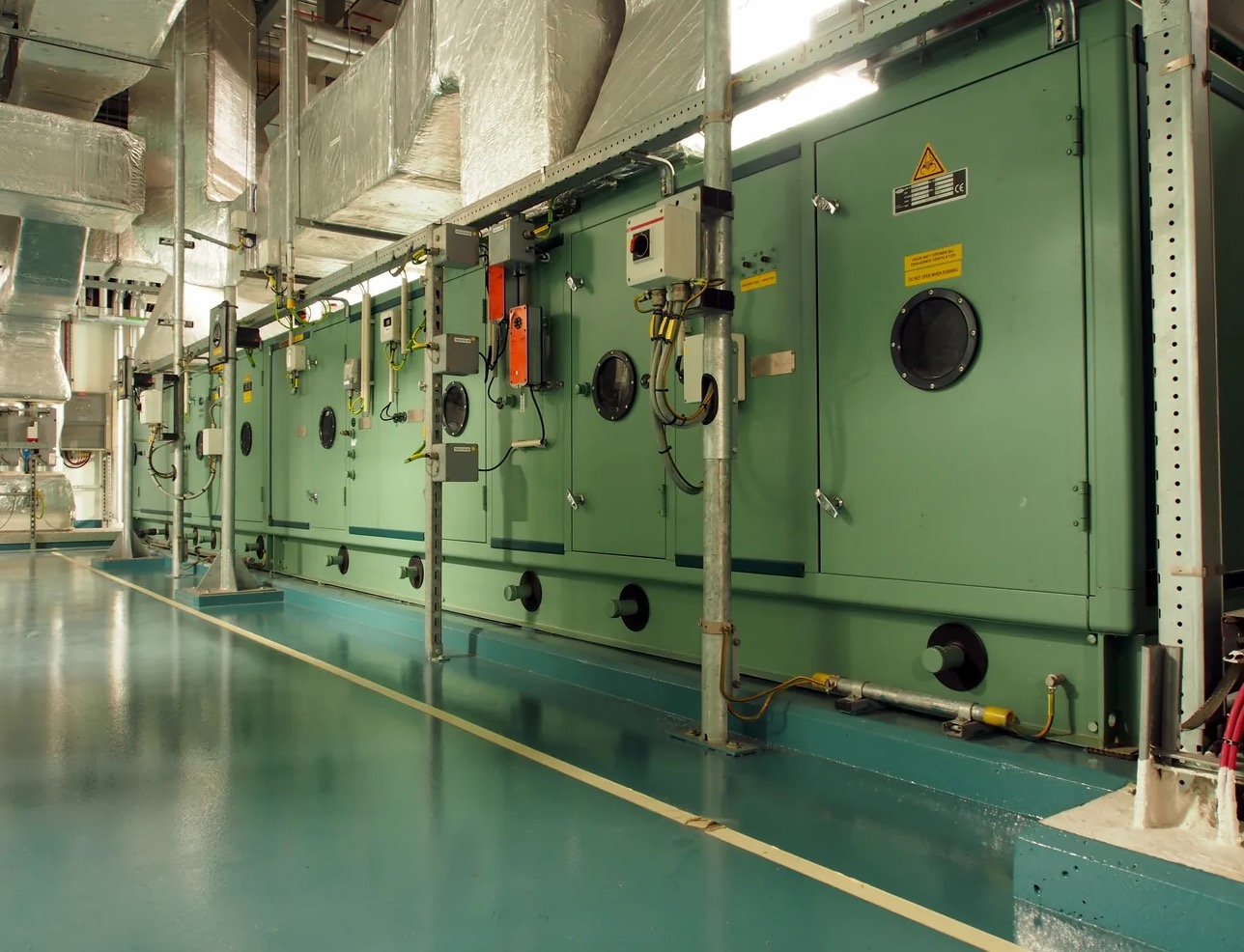
AC Unit Water Removal Near Warren: What to Expect
Most AC leaks start small: a drip in the furnace closet or a faint stain under an attic unit. In Warren, the drain pan can fill and overflow for days before anyone notices the damage.
A leaking AC in Warren rarely fixes itself, and the water keeps soaking the same drywall and subfloor until the drain is cleared. Local AC unit water removal pros serve Warren and nearby Barrington, Bristol and Swansea, with help available around the clock for leaks of any size.
The AC Unit Water Removal Process in Warren, RI
AC Leak Water Extraction
Extraction is followed by drying with air movers and dehumidifiers, with daily readings to track progress.
AC Leak Mold Prevention
Surfaces that stayed damp, such as framing under the air handler, are treated after drying so leftover spores have less to feed on.
Wet AC Unit Component Drying
Air movers and a dehumidifier are set around the unit, and moisture readings are taken until the metal and insulation test dry.
AC Drain Pan Water Extraction
Water sitting in a full or cracked drain pan is removed before it spills over into the ceiling or walls below.
AC Leak Water Cleanup
Water from an overflowing air handler is extracted from the floor, closet or mechanical room, then nearby walls are checked with a moisture meter.
Warning Signs You Need AC Unit Water Removal
High Indoor Humidity Levels
Rooms that feel clammy while the AC runs may mean water is not draining and is evaporating back into the air.
Reduced Cooling Efficiency
A clogged drain can trip a float switch or starve the coil of airflow, so the system runs longer and cools less.
Visible Mold Near AC
Dark spots on drywall or framing near the unit mean the area has stayed wet for days.
Unusual AC System Noises
Gurgling or dripping sounds from the unit can mean water is backing up in the drain line.
How AC Unit Water Removal Works in Warren
Step 1: Leak Assessment
The pros find the source of the leak, check how far the water spread and take moisture readings.
Step 2: Source Stop and Water Removal
The drain is cleared or the leaking part isolated, then standing water is extracted from every wet area.
Step 3: System Drying and Dehumidification
Drying equipment runs until walls, floors and insulation test dry, with readings taken at each visit.
Step 4: Verification and Restoration
Final readings confirm the materials are dry, then damaged drywall, trim or ceiling panels can be replaced.
Why AC Units Leak and Need Water Removal
Frozen Evaporator Coils Thawing
A coil that freezes from low airflow sheds a large amount of water at once when it thaws.
Disconnected Drain Line
A drain line knocked loose in the attic or closet empties condensate onto the ceiling or floor.
High Static Pressure in Ducts
Restricted ducts can pull water off the coil and blow it into the cabinet or ductwork.
Excess Outdoor Humidity
Very humid air makes the coil produce more water than a partly clogged drain can carry.
Expert AC Unit Water Removal for Any Property in Warren
Residential AC Unit Water Removal
In apartments and condos, an AC leak can spread through the floor or ceiling to the unit below. Fast extraction limits the spread and the number of neighbors affected.
Commercial AC Unit Water Removal
In restaurants and retail spaces, water near equipment, wiring and walkways is removed first. That reduces slip and electrical hazards while the rest of the area dries.
Why DIY AC Water Removal Often Fails in Warren
Box fans move air across a wet surface, but they often leave water trapped in wall cavities and under flooring. Professional drying uses moisture readings to confirm the hidden areas behind walls and under floors are dry too.
AC Unit Water Removal Cost in Warren, RI
Pricing for AC unit water removal in Warren is set after an inspection. The pros measure the wet area, check for hidden moisture and explain each item before starting.
Documentation Needs
Detailed photos and moisture logs for an insurance claim add some time to the job.
Secondary Damage Presence
Wet ceilings, swollen baseboards or damp framing add removal and repair work to the job.
Preventative Treatment Scope
Antimicrobial treatment is an optional step, priced by the size of the area treated.
Does Insurance Cover AC Unit Water Removal?
Coverage for AC unit water removal varies from policy to policy. The pros document the damage and the drying, but your insurer decides what is covered and what is not, so ask early in the claim.
Advantages of Hiring Local Pros in Warren for AC Unit Water Removal
Systematic Drain Line Clearing
The condensate line is cleared, not just the water mopped up, so the leak does not come right back.
Leak Source Identification
The pros trace the leak to its source, whether that is a clog, a cracked pan or a failed pump.
Drain Pan Extraction
Both the main pan and the safety pan are emptied and checked for damage.
24/7 Emergency AC Unit Water Removal in Warren
Do not wait for a stained ceiling to start sagging under the weight of the water. Call (508) 978-2876 now for AC unit water removal in Warren and get the drying started.
Call Now (508) 978-2876Local AC Unit Water Removal Coverage for Warren, Barrington, Bristol and Swansea
Need AC unit water removal outside Warren? Service also covers Barrington, Bristol and Swansea, day or night, for any leaking AC unit.
- AC Unit Water Removal in Barrington
- AC Unit Water Removal in Bristol
- AC Unit Water Removal in Swansea
- AC Unit Water Removal in Seekonk
- AC Unit Water Removal in Fall River
- AC Unit Water Removal in Somerset
- AC Unit Water Removal in Warwick
- AC Unit Water Removal in Tiverton
- Emergency Damage Restoration in 02885
- Storm Damage Restoration in 02885
- Water Damage Restoration in 02885
- Water Extraction Service in 02885
- Water Leak Detection in 02885
- Water Removal Service in 02885
Common AC Unit Water Removal Questions Answered
What happens if I ignore a drain pan overflow?
The leak keeps wetting the same materials, which can lead to rot, ceiling damage and microbial growth.
What is involved in AC unit water removal?
Standing water is extracted, the condensate line is cleared, and wet materials are dried with air movers and dehumidifiers until moisture readings are normal.
What should I do while waiting for help with an AC leak?
Turn off the AC, place towels or a bucket under the drip, move belongings out of the way and take photos.
What equipment is used to dry AC leak damage?
Extractors, air movers, dehumidifiers and moisture meters, plus wet vacs or pumps for the drain line.
Can a wet AC unit be saved after a leak?
Often yes. Components are dried gently and checked, but an HVAC contractor should inspect electrical parts before the unit runs again.