Providence, RI · Providence County
Basement Water Damage Restoration in Providence, RIBasement Water Extraction & Basement Dehumidification
Basement Water Damage Restoration in Providence runs from basement water extraction and basement floor water removal to basement dehumidification.
Answered 24/7
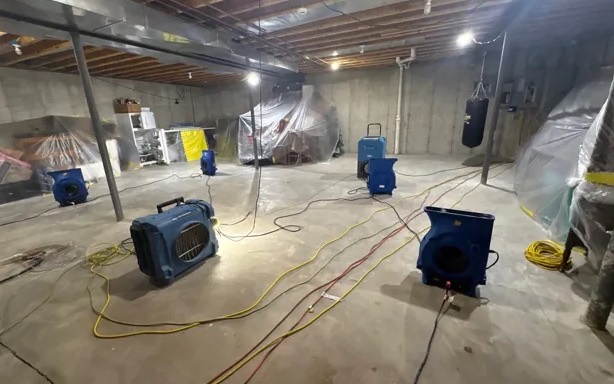
Basement Water Damage Restoration for Providence Homes
Basement Water Damage Restoration in Providence usually involves two parts: the emergency work of removing water and the slower work of drying a below-grade space. Both matter for keeping repairs small.
Homeowners in Providence can call (508) 978-2876 day or night when water is rising in the basement. Service also covers East Providence, North Providence and Cranston, with the same pumping and drying steps.
Basement Water Damage Restoration Solutions Available in Providence
Basement Water Extraction
Extraction starts at the lowest point, often near the floor drain or sump, and works outward until no pooled water remains.
Basement Dehumidification
Large dehumidifiers pull moisture from the basement air so walls, framing and the slab can release their water.
Emergency Basement Flood Cleanup
A flooded basement can damage furnaces, water heaters and stored items quickly. Fast pumping limits how much is lost.
Basement Sewer Backup Cleanup
After a sewer backup, cleanup and disinfection come before drying, so contaminated surfaces are not left in place.
Basement Drying Services
Air movers and dehumidifiers are placed to dry walls, framing and the slab. Below-grade rooms dry slowly, so readings are taken daily.
Signs of Basement Water Damage in Providence
Damp or Musty Odors
A damp, earthy or musty smell in the basement often means hidden moisture in walls, carpet or the slab.
Standing Water in the Basement
Any standing water on the basement floor needs pumping right away, before it soaks walls and framing.
Efflorescence on Concrete Walls
White, chalky deposits on concrete walls mean water is moving through the concrete and leaving minerals behind.
Sump Pump Failure or Overflow
A sump pump that runs constantly, fails to start or lets the pit overflow puts the basement at risk.
How Basement Water Damage Restoration Works in Providence
Step 1: Water Removal
Pumps and extractors remove standing water from the basement floor, starting at the lowest point.
Step 2: Targeted Moisture Evaporation
Air movers are aimed at wet walls, framing and the slab to speed evaporation.
Step 3: Humidity Control
Large dehumidifiers pull moisture from the basement air, with readings checked every day.
Step 4: Final Verification and Restoration
Final readings confirm the basement is dry, and the space is ready for drywall and flooring repairs.
What Causes Basement Water Damage Restoration in Providence
Overland Flooding From Storms
Heavy storms and snowmelt can send surface water into basements through doors and walls.
HVAC Condensate Line Overflow
A clogged furnace or air conditioner condensate line can overflow onto the floor of a basement or lower-level utility room.
High Water Table and Hydrostatic Pressure
A high water table pushes groundwater up through the slab and into the joints between wall and floor.
Plumbing Pipe Bursts or Leaks
Supply lines and drain pipes in basement ceilings can crack or burst onto the floor below.
Basement Water Damage Restoration for Homes and Businesses in Providence
Residential Basement Water Damage Restoration
Finished basements used as living space need carpet, pad and lower drywall checked carefully. Soaked materials are removed so the walls and slab can dry.
Commercial Basement Water Damage Restoration
Businesses with below-grade storage need inventory moved out of the water quickly. Wet stock is separated and documented for insurance.
Basement Water Damage Restoration vs. DIY: When to Call the Pros
If a small leak left a puddle on bare concrete, a wet vac and a dehumidifier may be enough. Call local restoration pros if water reached drywall, carpet or framing, or if it came from a sewer drain.
What Influences Basement Water Damage Restoration Cost in Providence
Sewage cleanup, finished walls, storm-night calls and damaged appliances all add to the total for basement water damage restoration in Providence.
Access Complexity
Narrow stairs, low ceilings and stored contents can make the work slower.
Water Category
Clean water costs less to handle than sewage, which needs protective gear, removal and disinfection.
Dehumidification Needs
Large dehumidifiers may need to run longer in below-grade spaces than in upper floors.
Does Insurance Cover Basement Water Damage Restoration?
Photos, moisture readings and drying logs from local restoration pros help support an insurance claim for basement water damage in Providence.
Advantages of Hiring Local Pros in Providence for Basement Water Damage Restoration
Water Type Handling
Clean water, gray water and sewage are each handled with the right protection and removal steps.
Detailed Documentation
Photos, readings and drying logs are kept to support your insurance claim.
Advanced Moisture Detection
Moisture meters and thermal cameras find water in walls and slabs that looks dry.
Round-the-Clock Emergency Basement Water Damage Restoration in Providence
If water is near outlets or the electrical panel, do not walk into it. Call (508) 978-2876 for help in Providence and wait for the power to be made safe.
Call Now (508) 978-2876Basement Water Damage Restoration Near Providence: Areas Served
Help with basement water damage restoration is also available in communities near Providence, including East Providence, North Providence and Cranston, for flooded basements and sewer backups.
- Basement Water Damage Restoration in East Providence
- Basement Water Damage Restoration in North Providence
- Basement Water Damage Restoration in Cranston
- Basement Water Damage Restoration in Seekonk
- Basement Water Damage Restoration in Pawtucket
- Basement Water Damage Restoration in Johnston
- Basement Water Damage Restoration in Lincoln
- Basement Water Damage Restoration in Smithfield
- Emergency Damage Restoration in 02901
- Storm Damage Restoration in 02901
- Water Damage Restoration in 02901
- Water Extraction Service in 02901
- Water Leak Detection in 02901
- Water Removal Service in 02901
- Emergency Damage Restoration in 02902
- Storm Damage Restoration in 02902
Frequently Asked Questions About Basement Water Damage Restoration
How is basement sewer backup cleanup different from regular flooding?
Sewage carries bacteria, so it needs protective gear, removal of porous materials and disinfection before drying.
What health risks come with delayed basement flood cleanup?
Standing water and wet materials can support bacteria and microbial growth, and sewage carries contaminants that need disinfection.
What causes the most common below-grade leaks in homes?
Sump pump failures, foundation cracks, clogged drain tile, sewer backups and burst pipes in the basement ceiling.
Why is quick action important for below-grade flood restoration?
Basements dry slowly, so every hour of standing water adds days of drying and more material to replace.
What is the priority during emergency basement flood cleanup?
Safety first, especially electrical hazards, then stopping the source and pumping out the water as quickly as possible.