Fall River, MA · Bristol County
Condo Damage Restoration in Fall River, MACondo Ceiling Leak Cleanup & Condo Water Extraction
Condo Damage Restoration in Fall River for condo owners covers condo water extraction, condo structural drying and condo flooring drying after a leak.
Answered 24/7
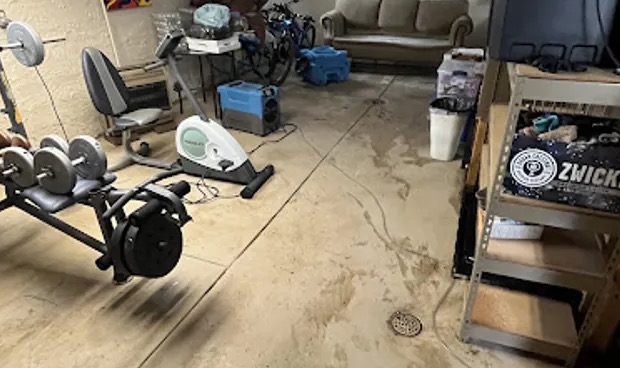
Local Condo Damage Restoration for Condos in Fall River
Water in a condo moves sideways and down. It runs under baseboards, into the wall cavity next door and through the floor to the ceiling below.
From Fall River to Swansea, Somerset and Tiverton, condo owners use the same careful process: find the source, extract the water, dry every wet material and document it all for the claim.
What Condo Damage Restoration Covers in Fall River
Condo Ceiling Leak Cleanup
Sagging ceiling drywall can hold gallons of water. The pros drain it safely, remove the wet section and dry the framing above before patching starts.
Condo Water Extraction
Truck-mounted or portable extractors pull water from carpet and pad. In high-rise units without truck access, portable units carried in by elevator do the job.
Condo Sewage Cleanup
After a backup, the pros pump out the sewage, bag wet materials for disposal and dry the unit only after the cleaning and disinfecting are done.
Condo Storm Water Cleanup
Ground-floor units can take in water from a flooded parking area or courtyard. The pros extract it, remove soaked carpet and dry the walls before mold can start.
Condo Structural Drying
Wall cavities shared with the unit next door are dried by drilling small holes at the base and pushing dry air through, which saves much of the drywall.
Signs of Condo Water Damage
Stain or Bulge in the Ceiling
A brown ring or sagging spot in the ceiling usually means water from the unit above. Stay out from under a bulging spot, since it can drop.
Dripping Light Fixture or Vent
Water coming out of a light fixture or ceiling vent means it is already in the ceiling. Turn off that circuit and call for help.
Water at Balcony or Sliding Doors
Wet carpet or stains near balcony doors after rain mean water is getting past the threshold or the frame.
Peeling Paint or Bubbling Drywall
Paint that bubbles or drywall that softens on a wall shows water is inside the wall cavity.
How Condo Damage Restoration Works in Fall River
Step 1: Condo Leak Detection
The pros find where the water came from, whether your unit, the one above or a shared line, and stop or isolate it.
Step 2: Condo Water Extraction
Standing water is pumped and vacuumed out of carpet, floors and closets so it stops spreading into nearby units.
Step 3: Condo Structural Drying
Air movers and dehumidifiers are set in each wet room, and wall cavities are dried through small holes when needed.
Step 4: Drying Records
Moisture readings are taken each day until the unit is dry, and the readings and photos are kept for the HOA and insurer.
Frequent Causes of Unit-to-Unit Water Damage in Fall River
Shower Pan and Tub Leaks
Worn grout, failed caulk and cracked shower pans let water into the subfloor and the ceiling of the unit below.
Leaks From the Unit Above
Overflowing tubs, failed toilet seals and broken supply lines upstairs are among the most common sources of condo water damage.
Storm Water at Doors and Windows
Wind-driven rain can get past balcony thresholds, window frames and sliding doors into walls and floors.
HVAC Condensate Overflow
A clogged condensate line on an air handler in a closet or above the ceiling can overflow into the unit.
Condo Damage Restoration for Owners and Associations
Condo Damage Restoration for Homeowners
For a slow leak found late, the pros map moisture through your walls and floors so hidden water is found and dried, not just the visible stain.
Condo Damage Restoration for Businesses and Property Managers
Associations get written moisture records for each unit, which help sort out which policy covers which part of the damage.
When to Hire Condo Water Removal Experts for a Condo Leak
You can shut off water to your unit, move furniture off wet carpet and mop up small spills on hard floors. If water has reached a ceiling, a shared wall or the unit below, call condo water removal experts.
Pricing for Condo Damage Restoration in Fall River
Access matters in condos. Upper-floor units without truck access may need portable equipment, which can take longer than truck-mounted extraction.
How Long the Water Sat
Water caught within hours does less damage than a slow leak found weeks later behind a wall or under a floor.
Drying Equipment and Time
The number of air movers and dehumidifiers and how many days they run make up much of the cost.
Building Access
High floors, tight hallways and limited parking can mean portable equipment and more labor time.
Does Insurance Cover Condo Damage Restoration?
Report the leak to your insurer and the HOA as soon as you can. Keep photos of the damage and the drying records the pros provide for the claim.
The Case for Professional Condo Damage Restoration
Finding the Source
Moisture meters and thermal cameras trace the water to the unit or line it came from.
Help at Any Hour
Condo leaks spread fast. Call (508) 978-2876 day or night for condo damage restoration in Fall River.
Readings Every Day
Moisture is checked each day so equipment is removed only when the unit is actually dry.
After-Hours Condo Damage Restoration in Fall River, MA
Storm water at balcony doors or a flooded ground-floor unit needs prompt extraction. Call (508) 978-2876 any time for the experts.
Call Now (508) 978-2876Condo Damage Restoration Service Area Around Fall River
Condo water damage help is available in Fall River and nearby towns such as Swansea, Somerset and Tiverton, for units and common areas.
Condo Damage Restoration FAQs
What causes most condo water damage?
Leaks from the unit above, failed supply lines, water heaters, shower pans and backups in shared drain stacks cause most condo water damage.
How can I tell if water is inside my condo walls?
Look for bubbling paint, soft drywall, stains near baseboards or a musty smell. Moisture meters confirm what you cannot see.
How do the pros find where a condo leak started?
Moisture meters and thermal cameras show where water is moving in walls and ceilings. Following the readings leads to the source.
Should I tell my HOA about a leak?
Yes. Most associations require prompt notice, and the master policy may cover part of the damage. Share the photos and drying records.
Who pays for water damage from the unit above?
It depends on where the leak started, your unit policy and the HOA master policy. The source and the policies decide who pays. Records from the pros help sort it out.