Abington, MA · Plymouth County
Contaminated Water Removal in Abington, MABlack Water Extraction & Contaminated Carpet Removal
Contaminated Water Removal in Abington runs from emergency water mitigation and sewage backup water removal to contaminated carpet removal.
Answered 24/7
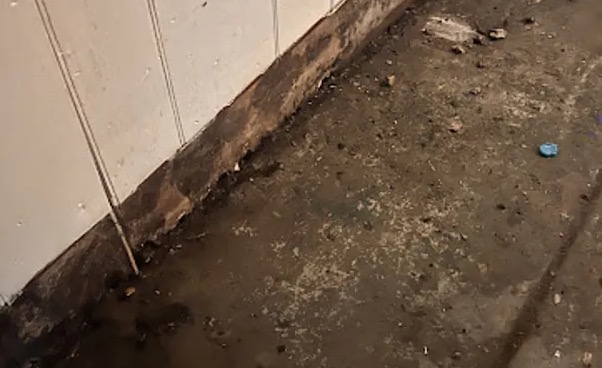
Trusted Contaminated Water Removal Solutions in Plymouth County
Contaminated Water Removal in Abington starts with safety. Contaminated water can carry bacteria, chemicals and debris, and wet outlets and slippery floors add risk.
Homeowners in Abington can call (508) 978-2876 day or night when sewage or dirty water spreads. Service also covers Whitman, Rockland and Brockton, with the same safety and cleanup steps.
Comprehensive Contaminated Water Removal Offerings in Plymouth County
Black Water Extraction
Black water, such as sewage or outside floodwater, is extracted with protective gear, and everything it touched is cleaned or removed.
Contaminated Carpet Removal
The subfloor under removed carpet is cleaned, disinfected and dried before new flooring goes down.
Toxic Spill Water Removal
Water mixed with household chemicals, fuel or oil is handled with protective gear and removed without spreading it further.
Sewage Backup Water Removal
Sewage from a backed-up toilet, floor drain or tub is extracted with protective gear, and the affected area is sealed off from clean rooms.
Flooded Basement Cleanup
Contaminated water in a basement is pumped out, soaked materials are removed and the slab and lower walls are cleaned and disinfected.
Signs of Contaminated Water Damage in Abington
Visible Sewage in Carpet
Carpet with visible waste, debris or brown staining has absorbed contaminated water and must be removed.
Chemical Spill on Property
Water mixed with a spilled chemical, fuel or oil needs careful handling and possibly a hazardous materials contractor.
Sewage Backup in Home
Sewage coming up through toilets, tubs or floor drains is black water and needs protective cleanup right away.
Persistent Wet Carpet Issues
Carpet that stays wet and smells sour after a leak may have turned contaminated over time.
How Contaminated Water Removal Works in Abington
Step 1: Initial Hazard Assessment
The type of contamination is identified and the right protective gear is chosen.
Step 2: Source Control and Water Extraction
The backup or leak is stopped, and contaminated water is extracted right away.
Step 3: Removal and Disposal
Contaminated materials are removed, bagged and disposed of according to local rules for that kind of waste.
Step 4: Drying and Dehumidification
Clean surfaces are dried with dehumidifiers and air movers until readings are normal.
Sources of Water Damage Requiring Contaminated Water Removal in Abington
Natural Disaster Aftermath
After storms and floods, water carries debris and contaminants from streets and yards.
Severe Sewer Line Blockages
Tree roots, grease and debris block sewer lines and push wastewater back into the home.
Gray Water Source Overflow
Overflowing laundry tubs and sinks send gray water across floors and into nearby rooms.
Plumbing System Failures
Cracked drain pipes and failed fittings leak wastewater into walls, floors and crawl spaces.
Property Contaminated Water Removal for All Abington Buildings
Residential Contaminated Water Removal
Families with young children, older adults or anyone with health concerns should stay out of contaminated areas until cleanup and disinfection are done.
Commercial Contaminated Water Removal
Restaurants and food businesses need contaminated areas cleaned and disinfected to meet health rules before food prep resumes.
Contaminated Water Removal vs. DIY: When to Call the Pros
Do not run fans or a household vacuum on contaminated water or wet materials. That spreads bacteria and odor through the house. Call (508) 978-2876 for safe extraction.
Understanding Contaminated Water Removal Cost in Abington, MA
The cost of contaminated water removal in Abington depends on the type of contamination, how far it spread and how much material must be removed.
Contamination Category
Black water costs more to clean up than gray water, since more materials are removed and disinfected.
Sanitization Procedures
Disinfecting every affected surface, from floors to lower walls, takes time and specialized products.
Material Removal Needs
Removing and disposing of contaminated carpet, pad and drywall adds labor and fees.
Does Insurance Cover Contaminated Water Removal?
Photograph the water, the source and damaged belongings before cleanup starts, and keep receipts for emergency extraction, disposal and any hotel stay.
Why Choose Local Pros for Contaminated Water Removal in Abington
24/7 Emergency Response
Help is available day or night, because contaminated water cannot wait for business hours.
Preventive Mold Strategies
Fast cleanup and drying, plus treatment where needed, limits microbial growth after contaminated water.
Moisture Mapping
Meters show where contaminated water spread under flooring, into walls and toward other rooms.
Always-Available Emergency Contaminated Water Removal in Abington
Night, weekend or holiday, local water extraction experts handle contaminated water in Abington. Call (508) 978-2876 to get the water out and the area cleaned safely.
Call Now (508) 978-2876Local Contaminated Water Removal Areas Including Abington
Contaminated water removal also covers homes and businesses in Whitman, Rockland and Brockton, close to Abington, day or night.
- Contaminated Water Removal in Whitman
- Contaminated Water Removal in Rockland
- Contaminated Water Removal in Brockton
- Contaminated Water Removal in Hanover
- Contaminated Water Removal in Pembroke
- Contaminated Water Removal in Weymouth
- Contaminated Water Removal in Braintree
- Contaminated Water Removal in Stoughton
- Emergency Damage Restoration in 02351
- Storm Damage Restoration in 02351
- Water Damage Restoration in 02351
- Water Extraction Service in 02351
- Water Leak Detection in 02351
- Water Removal Service in 02351
Contaminated Water Removal FAQs
What is the difference between water extraction and restoration?
Extraction removes the water. Restoration includes cleaning, disinfection, drying and preparing the area for repairs.
What happens during the drying phase after cleanup?
Air movers and dehumidifiers dry the cleaned structure, and readings are taken daily until it is normal.
Is it safe to stay home during contaminated water cleanup?
Often yes, if the work area is contained and you stay out of it. People with health concerns may prefer to stay elsewhere.
How quickly should black water removal begin?
Right away. Black water spreads bacteria and odor into materials the longer it sits, increasing what must be removed.
How does emergency water mitigation help prevent mold?
Removing contaminated water and materials quickly and drying the structure keeps microbial growth from starting.