Dartmouth, MA · Bristol County
HVAC Leak Water Removal in Dartmouth, MAMoisture Remediation For HVAC Systems & Coil Leak Water Damage Repair
HVAC Leak Water Removal in Dartmouth handles coil leak water damage repair, HVAC drain line flood cleanup and moisture remediation for HVAC systems.
Answered 24/7
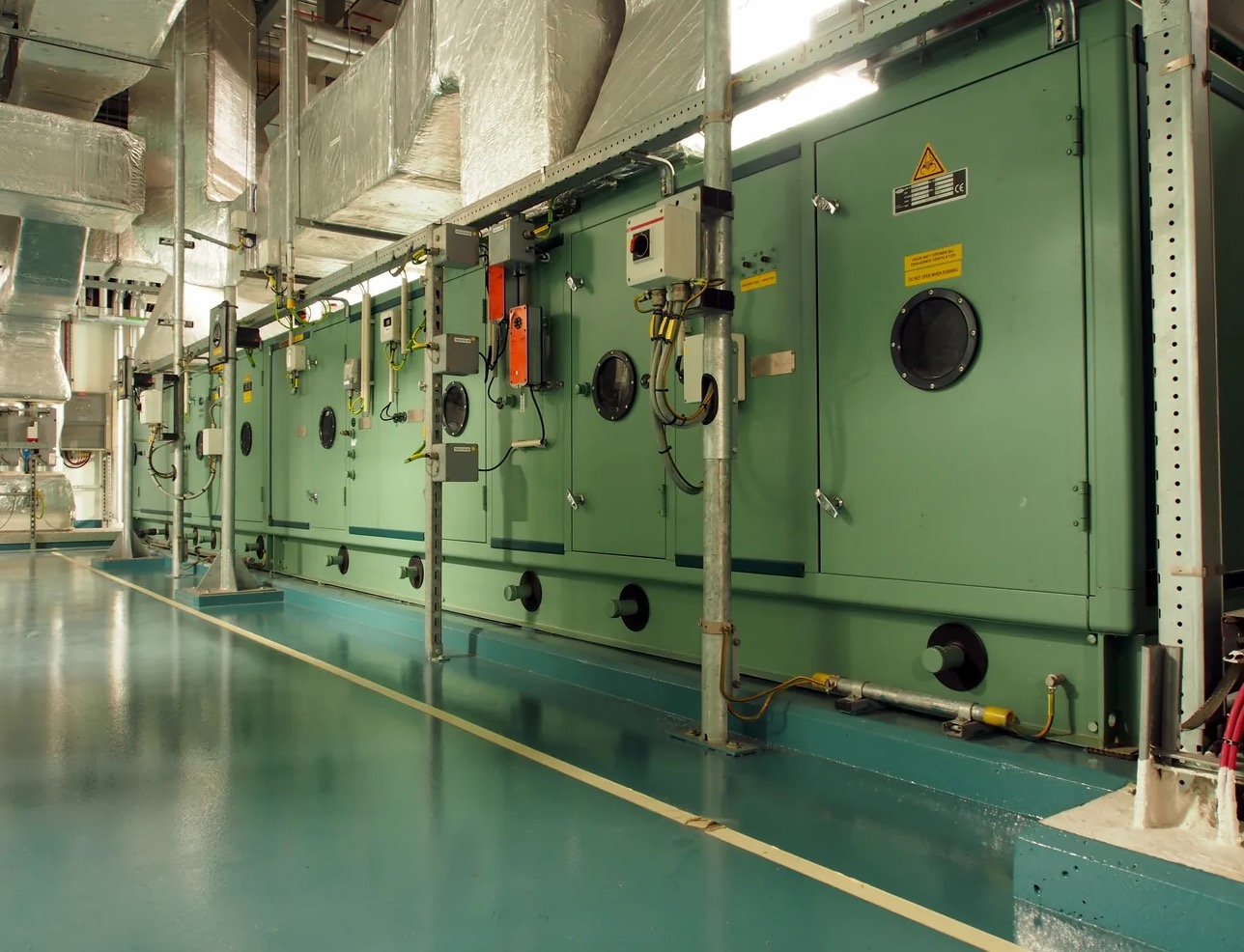
HVAC Leak Water Removal Solutions in Dartmouth
Most air conditioner water damage in Dartmouth starts with a clogged drain line or a cracked pan. The leak is often slow, so drywall, flooring and insulation soak for days before anyone sees a stain.
When an HVAC leak occurs in Dartmouth, water needs to come out quickly to protect interior finishes and electrical systems. Local water removal pros serve this community and nearby areas like New Bedford, Westport and Fairhaven, extracting water around the unit and drying wet ductwork before damage spreads.
HVAC Leak Water Removal Service Details in Dartmouth
Moisture Remediation for HVAC Systems
After the water is out, the air in the room is still damp. Dehumidifiers run until humidity is back to normal, which lowers the risk of mold.
Coil Leak Water Damage Repair
A leaking evaporator or condenser coil drips water into the system or onto the floor. Repair begins with extracting all moisture.
Ductwork Condensation Water Removal
Cold air inside ducts meeting warm, humid air causes sweating and droplets. Condensation soaks insulation and damages ceiling materials.
Wet Insulation Removal Near HVAC
Saturated insulation near the HVAC unit loses R-value and can foster mold. Removal is often necessary for a proper dry-out.
Emergency HVAC Leak Cleanup
An overflowing secondary pan or a broken drain line needs cleanup right away. The pros mobilize to extract water and assess electrical safety.
When to Consider HVAC Leak Water Removal in Dartmouth
Unusual Sounds From the AC Unit
Gurgling, dripping, or hissing noises from the indoor unit frequently accompany a condensate drainage failure.
Wet or Sagging Insulation Nearby
Damp insulation around an attic unit or in nearby walls holds water against the drywall and framing.
Mold on Air Handler
Visible mold on the unit, the ducts or nearby drywall usually means water has been there for a while.
Visible Rust on Metal Components
Rust forming on the evaporator coil cabinet, drain pan, or supports indicates prolonged moisture exposure.
How HVAC Leak Water Removal Works in Dartmouth
Step 1: Emergency Assessment and Water Extraction
The pros stop the water at the unit and extract the standing water from the cabinet, the closet floor and any wet carpet.
Step 2: System Inspection and Moisture Mapping
Moisture meters and thermal cameras show where water went, including wet insulation and duct sections, and the drying plan is built from that.
Step 3: Targeted Drying and Dehumidification
Air movers and dehumidifiers are placed to dry the walls, ceiling, floor and duct runs that got wet.
Step 4: Cleaning and Final Verification
Affected surfaces and HVAC components are cleaned. Final moisture readings confirm the area is dry.
Frequent Sources of HVAC Leak Water Damage in Dartmouth
Failed Condensate Pump
A condensate pump that fails in an attic or utility room cannot move water to the drain, so the reservoir overflows.
Clogged Condensate Drain Line
Algae, sludge, or debris blocking the primary drain pipe causes water to back up into the HVAC cabinet.
Refrigerant Leak at the Coil
A pinhole leak in the evaporator coil itself can allow refrigerant and moisture to escape simultaneously.
Excessive Ductwork Condensation
Poorly insulated ducts in humid spaces sweat and drip water into walls, ceilings and insulation.
Residential and Commercial HVAC Leak Water Removal in Dartmouth
Residential HVAC Leak Water Removal
In homes, water from a utility closet can reach hardwood floors, cabinets and stored items. The pros dry those materials and wet duct sections near the unit.
Commercial HVAC Leak Water Removal
In commercial buildings, mechanical rooms and the spaces under them are checked for water and dried, with readings recorded for the building manager.
HVAC Leak Water Removal vs. DIY: When to Call Local Pros
If you find an HVAC leak, turn off the system at the thermostat and the breaker. Put towels down and move belongings away from the drip. Wiping up a little condensation is fine, but standing water or wet drywall needs drying equipment.
Factors in HVAC Leak Water Removal Cost for Dartmouth
In Dartmouth, the cost of HVAC water cleanup depends on how many rooms and materials got wet. Water around coils and cabinets takes careful work in tight spaces.
Emergency Service Timing
HVAC leak cleanup started at night, on weekends or on holidays may be billed at a different rate.
Drying Time and Equipment
The number of days ducts and materials take to dry decides how long the dehumidifiers run.
Leak Source and Severity
Whether the leak came from a drain line, the coil or the pan changes how much water there is and where it went.
Does Insurance Cover HVAC Leak Water Removal?
Flooded HVAC unit cleanup may be covered if the water source is a covered peril in your policy, such as overflow from an appliance. The pros provide photos and readings for your insurance claim.
Benefits of Local Water Damage Pros for HVAC Leak Water Removal in Dartmouth
Comprehensive Leak Source Identification
The pros trace the water to the drain line, coil or pan, so the right trade can fix the cause.
Detailed Damage Documentation
Photos and meter readings of the water damage give your adjuster clear records for the claim.
HVAC-Specific Moisture Detection
Moisture meters and thermal cameras find water in ducts, insulation and cabinets that you cannot see.
Urgent HVAC Leak Water Removal Response in Dartmouth
HVAC drain line floods need immediate attention to stop water damage. For prompt HVAC leak cleanup and moisture remediation, contact the experts at (508) 978-2876.
Call Now (508) 978-2876HVAC Leak Water Removal Locations Near Dartmouth
Help with HVAC leak water removal is available in Dartmouth and nearby New Bedford, Westport and Fairhaven, for water from AC units, drain lines and ducts.
- HVAC Leak Water Removal in New Bedford
- HVAC Leak Water Removal in Westport
- HVAC Leak Water Removal in Fairhaven
- HVAC Leak Water Removal in Acushnet
- HVAC Leak Water Removal in Tiverton
- HVAC Leak Water Removal in Freetown
- HVAC Leak Water Removal in Somerset
- HVAC Leak Water Removal in Fall River
- Emergency Damage Restoration in 02714
- Storm Damage Restoration in 02714
- Water Damage Restoration in 02714
- Water Extraction Service in 02714
- Water Leak Detection in 02714
- Water Removal Service in 02714
- Emergency Damage Restoration in 02747
- Storm Damage Restoration in 02747
Frequently Asked Questions About HVAC Leak Water Removal
Why does my AC coil leak water?
A frozen coil that thaws, a clogged drain pan, or a cracked condensate drain line are common causes of water leaking from the AC unit.
What is HVAC cabinet water extraction?
It means removing water that has pooled inside the metal cabinet around the furnace or air handler, which protects the blower motor and controls.
Does HVAC leak water removal prevent mold?
Fast extraction and drying lower the risk a lot. Materials that stay wet longer than a day or two can start to grow mold.
After HVAC system water cleanup, what repairs are needed?
Beyond drying, repairs might include unclogging or replacing a drain line, replacing wet insulation, and servicing the HVAC unit.
What's the difference between water extraction and drying?
Extraction removes the liquid water. Drying uses dehumidifiers and air movers to pull out the moisture left in insulation, drywall and wood.