Abington, MA · Plymouth County
Hydrostatic Pressure Water Removal in Abington, MACrawl Space Water Extraction & Sump Pump Failure Cleanup
Hydrostatic Pressure Water Removal in Abington covers groundwater intrusion mitigation, wet subfloor removal and crawl space water extraction.
Answered 24/7
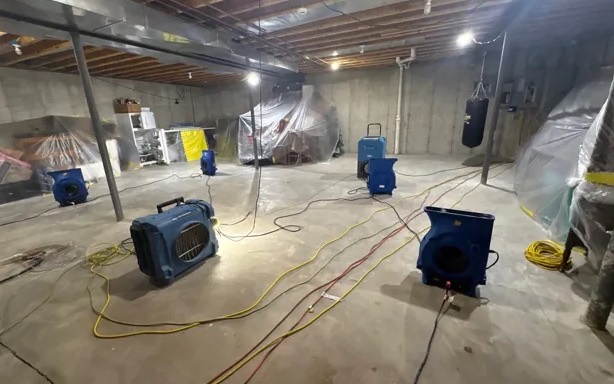
Hydrostatic Pressure Water Removal Solutions for Abington Homes
Water forced through foundation cracks is rarely clean. It carries minerals and silt that stain concrete and rust metal, so surfaces are cleaned after the water is removed.
In Abington and nearby Whitman, Rockland and Brockton, soaked soil can push water into basements and crawl spaces. Local groundwater extraction specialists extract the water and dry the structure.
Hydrostatic Pressure Water Removal Services in Abington
Crawl Space Water Extraction
A wet crawl space soaks joists, insulation and wiring. Submersible pumps and extractors remove the standing water, then the space is dried.
Sump Pump Failure Cleanup
The cleanup process removes all water, cleans the pit, and ensures the area is dry before a new pump is installed or the existing one is repaired.
Slab Seepage Water Removal
Groundwater pushed up through a concrete slab can leave damp spots or a thin sheet of water. It is extracted and the slab and flooring are dried.
Slab Leak Water Removal
When water comes up through a slab, it is extracted before it wicks into the walls, and the slab surface and nearby materials are dried.
Foundation Crack Water Infiltration
Water coming through foundation cracks is pushed in by soil pressure. The water that got in is extracted and the area dried, and the crack is noted for a foundation contractor.
Signs of Hydrostatic Pressure Water Damage in Abington
Pooling Water in Crawl Space
Standing water in a crawl space is a clear sign water is getting in and needs to be removed.
Warped or Buckling Flooring
Flooring that warps or buckles near walls can mean water is coming up from below and the subfloor is wet.
Sump Pump Running Constantly
A sump pump that runs nonstop means a lot of groundwater is coming in around the foundation.
Spongy or Soft Spots on Floors
Damp spots or lifting flooring on a slab can mean water is coming up from below.
How Hydrostatic Pressure Water Removal Works in Abington
Step 1: Source Containment and Control
Where possible, the water source is controlled first, such as redirecting downspouts or stopping a plumbing leak.
Step 2: Crawl Space Water Extraction
Equipment made for tight spaces extracts water from the crawl space so the framing can start drying.
Step 3: Affected Material Removal
Wet insulation and subflooring that cannot be dried are removed and hauled away.
Step 4: Dehumidification and Air Scrubbing
Dehumidifiers and air scrubbers bring humidity down and clear the musty air until the space is dry.
Sources Requiring Hydrostatic Pressure Water Removal
High Water Table Levels
A high water table keeps steady pressure on the foundation and pushes water through cracks and joints.
Heavy or Prolonged Rainfall
Long periods of rain soak the soil, and the water presses against the foundation until it finds a way in.
Sump Pump Malfunction or Failure
A sump pump that fails cannot remove groundwater, so it builds up and floods the lower level.
Poor Exterior Drainage Systems
Clogged gutters, downspouts and poor grading send water toward the foundation, where it builds pressure in the soil.
Hydrostatic Pressure Water Removal Services for All Properties in Abington
Residential Hydrostatic Pressure Water Removal
In homes, water through the foundation can reach framing and wiring in the lower level. Local groundwater extraction specialists remove the water and dry the structure, and a foundation contractor handles any cracks.
Commercial Hydrostatic Pressure Water Removal
Warehouses and plants on slab floors can take on water from below. Industrial equipment removes it and dries the large floor area so work can resume.
Hydrostatic Pressure Water Removal vs. DIY: When to Call the Pros
Clearing gutters and extending downspouts away from the foundation are good steps to reduce water at the walls. If water is already coming in, call (508) 978-2876 for extraction and drying.
Understanding Hydrostatic Pressure Water Removal Expenses
In Abington, the price depends on the size of the wet area, how deep the water got and how many days of drying the structure needs.
Affected Area Size
Larger flooded areas or large wet subfloors need more equipment and more days of drying.
Water Source Type
A slow slab seep and a sudden flood through a wall crack need different approaches and equipment.
Equipment Needs
Large pumps and industrial dehumidifiers for big jobs add to the equipment cost.
Does Insurance Cover Hydrostatic Pressure Water Removal?
Removing wet subfloor may be covered if the water came from a covered event. The specialists document the subfloor and why it had to come out, and your insurer decides.
Why Choose Local Pros for Hydrostatic Pressure Water Removal in Abington
Targeted Groundwater Extraction
Equipment made for tight spaces removes water from crawl spaces and around slabs.
IICRC-Standard Drying Methods
Drying the structure fully after water intrusion protects the foundation and framing from lasting damage.
Comprehensive Moisture Mapping
Moisture meters find water in subfloors and walls so every wet area gets dried.
Urgent Hydrostatic Pressure Water Removal for Abington Homes
If water is coming into your basement now, call (508) 978-2876 day or night. The specialists in Abington can start extraction to limit the damage.
Call Now (508) 978-2876Hydrostatic Pressure Water Removal for Abington and Nearby Communities
Help with hydrostatic pressure water removal is available for properties in Abington and nearby Whitman, Rockland and Brockton.
- Hydrostatic Pressure Water Removal in Whitman
- Hydrostatic Pressure Water Removal in Rockland
- Hydrostatic Pressure Water Removal in Brockton
- Hydrostatic Pressure Water Removal in Hanover
- Hydrostatic Pressure Water Removal in Pembroke
- Hydrostatic Pressure Water Removal in Weymouth
- Hydrostatic Pressure Water Removal in Braintree
- Hydrostatic Pressure Water Removal in Stoughton
- Emergency Damage Restoration in 02351
- Storm Damage Restoration in 02351
- Water Damage Restoration in 02351
- Water Extraction Service in 02351
- Water Leak Detection in 02351
- Water Removal Service in 02351
Hydrostatic Pressure Water Removal FAQs
What steps are in flooded foundation cleanup?
Extraction, removal of mud and debris, cleaning of surfaces and full drying of the basement structure.
What are signs of soil pressure water intrusion?
Water seeping where the floor meets the wall, damp foundation walls and ongoing moisture in a crawl space.
Why does sump pump failure cause flooding?
A sump pump collects groundwater and pumps it out. When it fails, that water has nowhere to go and builds up in the lower level.
Will drying stop water from coming back?
No. Drying fixes the damage that is already there. Keeping water out takes drainage, grading or waterproofing work by a contractor.
How does foundation water removal work?
Standing water is extracted, the structure is dried with dehumidifiers and air movers, and the place where water came in is noted.