Fall River, MA · Bristol County
Gross Filth Cleanup in Fall River, MABiohazard Site Sanitization & Animal Waste Cleanup
Gross Filth Cleanup in Fall River addresses situations from hoarding cleanup services and sewage backup cleanup to blood spill cleanup.
Answered 24/7
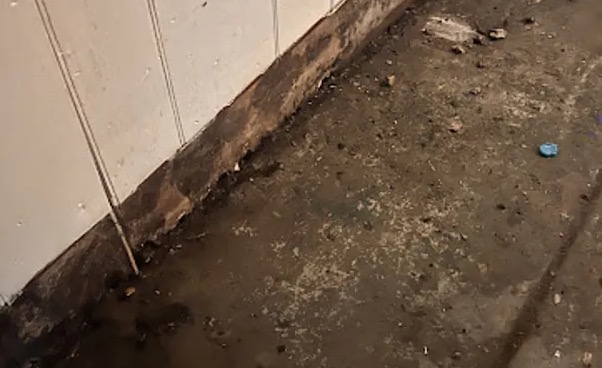
Local Gross Filth Cleanup Response in Fall River, Massachusetts
In Fall River, gross filth incidents require immediate attention to stop the spread of contaminants. Blood spills, vomit or feces introduce biohazards that standard cleaning cannot eliminate. Delayed response allows pathogens to multiply and odors to become entrenched.
Gross filth cleanup is available in Fall River and nearby areas like Swansea, Somerset and Tiverton. Hoarding or sewage backups need prompt cleanup to prevent more damage. Local biohazard cleanup experts follow set procedures for removal and sanitizing. The specialists in Fall River remove only what cannot be saved and clean or restore the rest whenever practical.
Detailed Gross Filth Cleanup Work in Fall River
Biohazard Site Sanitization
Final sanitizing makes the property safe to enter. This involves the application of disinfectants with specific dwell times, potentially followed by air scrubbing or ozone treatment to eliminate any remaining airborne biological contaminants.
Animal Waste Cleanup
Animal waste contamination demands complete removal and sanitization. The pros take out all waste and affected materials, then apply enzymatic cleaners and disinfectants.
Sewage Backup Cleanup
When a sewage line fails, the resulting backup requires immediate professional attention to mitigate disease risks. The cleanup process includes water extraction, removal of unsalvageable materials, and aggressive cleaning and disinfecting of all hard surfaces by trained specialists.
Blood Spill Cleanup
Hospital-grade disinfectants are necessary to properly sanitize areas after a blood incident. The cleaning process addresses every affected surface, and porous materials like carpet or upholstery that absorbed the biohazard are typically removed.
Biohazard Debris Removal
The process of removing contaminated materials is a foundational step in any gross filth cleanup. It requires careful handling, proper PPE, and adherence to disposal guidelines for biohazardous waste to protect both workers and the property's future occupants.
Indications for Gross Filth Cleanup in Fall River
General Filth and Grime
Layers of grease, dirt, and organic matter create a contaminated site cleanup scenario.
Previous Unclean Tenant Situations
Properties left in extreme disarray often need full sanitizing before anyone moves in.
Biohazard Debris Accumulation
Piles of soiled fabrics, waste or medical items need to be removed as biohazard debris.
Animal Waste Infestation
Large amounts of animal waste cleanup are necessary after rodent or pest infestations in a property.
How Gross Filth Cleanup Works in Fall River
Step 1: Emergency Containment Setup
On site, the specialists establish containment barriers. This keeps contamination contained during cleanup.
Step 2: Specialized Waste Extraction
All biohazard debris, including materials from animal waste cleanup, is extracted and bagged for disposal. This removes the immediate health hazard.
Step 3: Aggressive Chemical Scrubbing
Affected areas are scrubbed hard with hospital-grade disinfectants to remove all traces of blood, vomit and feces.
Step 4: Environmental Verification Testing
After cleaning, the environment is tested for residual pathogens and odors. This verification confirms the area is safe, concluding the gross filth cleanup.
How Gross Filth Cleanup Situations Begin in Fall River
Severe Hoarding Behavior
Hoarding cleanup addresses the accumulation of items and waste that creates unsafe and unsanitary living spaces.
Biohazard Debris From Events
Biohazard debris removal handles contaminated materials from various incidents that standard waste services won't take.
Sewer Line Backups
Sewage backup cleanup becomes necessary when blockages or floods force contaminated water into the property.
Unattended Death Scenes
Decomposed body cleanup involves the safe removal of biological material and deep odor neutralization.
Gross Filth Cleanup for All Property Types in Fall River
Residential Gross Filth Cleanup
In homes, the pros handle hoarding, animal waste and sewage backups. They make homes in Fall River, safe again after blood spills or decomposition, with full sanitizing of every affected area.
Commercial Gross Filth Cleanup
For businesses, the experts handle contamination from public restrooms, crime scene cleanup, or sewage backups. They perform discreet biohazard debris removal and sanitization for restaurants, rentals, or offices in Fall River, minimizing operational downtime with help day or night.
Why DIY Often Fails for Gross Filth Cleanup in Fall River
Ventilate the area by opening windows if it is safe to do so, and remove any unsoiled items from the periphery of the contamination. Do not attempt biohazard cleaning or touch any unknown substances; leave that to the specialists.
Pricing for Gross Filth Cleanup Services in Fall River
In Fall River, the price for gross filth cleanup is affected by the volume of contaminated materials needing removal and disposal. Projects involving decomposition odor removal or blood spills often need additional decontamination steps.
Sanitization Level
The required standard of cleanliness, especially for biohazard site sanitization, determines the types of antimicrobial agents and validation methods used.
Affected Square Footage
Larger areas contaminated with filth require more time, labor, and materials to thoroughly clean, decontaminate, and restore to a safe condition.
Required Safety Protocols
High-risk situations like blood spill cleanup demand extensive personal protective equipment and specialized containment, adding to operational costs.
Does Insurance Cover Gross Filth Cleanup?
Insurance may address gross filth cleanup costs from a sudden event like a sewer backup. Long-term hoarding cleanup is typically excluded. The specialists in Fall River document the damage, including moisture readings, for insurance paperwork. Your adjuster decides coverage, so talk to them early.
Why Choose Local Filth Removal Specialists for Gross Filth Cleanup in Fall River
24/7 Emergency Response
Help is available day or night for sewage backups or decomposition odor.
Health Risk Mitigation
The primary goal is to reduce exposure to pathogens and allergens present in animal waste, sewage, and other biohazards.
Contaminated Site Containment
Work areas are isolated to prevent cross-contamination, protecting clean parts of your home during the filth removal.
24/7 Gross Filth Cleanup Help in Fall River
For immediate gross filth cleanup in Fall River, such as a sewage backup or biohazard incident, call (508) 978-2876 for help. The specialists are available 24/7 to begin the containment and assessment process to address the contamination.
Call Now (508) 978-2876Locations for Gross Filth Cleanup Around Fall River, MA
Homeowners in Fall River and nearby areas like Swansea, Somerset and Tiverton can access professional gross filth cleanup. The specialists handle everything from feces removal to full hoarding cleanup.
Gross Filth Cleanup FAQs
What is biohazard debris removal?
Biohazard debris removal is the safe, regulated disposal of items contaminated with blood, bodily fluids, or other infectious materials from a cleanup site.
What is included in gross filth cleanup?
Gross filth cleanup involves hazardous waste removal, deep sanitization, odor elimination, and disposal of contaminated materials, following strict safety protocols for biohazards.
How is a home verified clean after biohazard cleaning?
After biohazard cleaning, verification involves a visual inspection and often the use of ATP testing or similar methods to confirm pathogen levels are safe.
Can gross filth cleanup prevent mold growth?
Proper gross filth cleanup includes drying and sanitizing, which removes the organic matter and moisture that mold needs to grow, helping prevent its development.
Is animal waste cleanup a biohazard?
Yes, animal waste cleanup is considered a biohazard due to potential pathogens; it requires protective gear, proper disposal, and antimicrobial sanitization of the area.